 Dar ul Islam
Umrah guide
How to perform Umrah.
Umrah has four parts and most pilgrims complete them in three to five hours. Here is each step in plain words, with tips for travelling from the UK.
Before you go.
Learn the steps and the main du'as before you travel, and ask a scholar you trust about anything you are unsure of. This guide is a simple overview to help you prepare; it is not a ruling on any point of fiqh.
Pack comfortable sandals, unscented toiletries, a small bag for your shoes and, for men, two sets of Ihram cloths.
Make ghusl, put on Ihram and make the intention (niyyah) for Umrah before you pass the Miqat. Flights from the UK cross the Miqat in the air, so most pilgrims change at home or at the airport and make the intention on the plane when the crew announce it. Then begin the Talbiyah: Labbayk Allahumma labbayk.
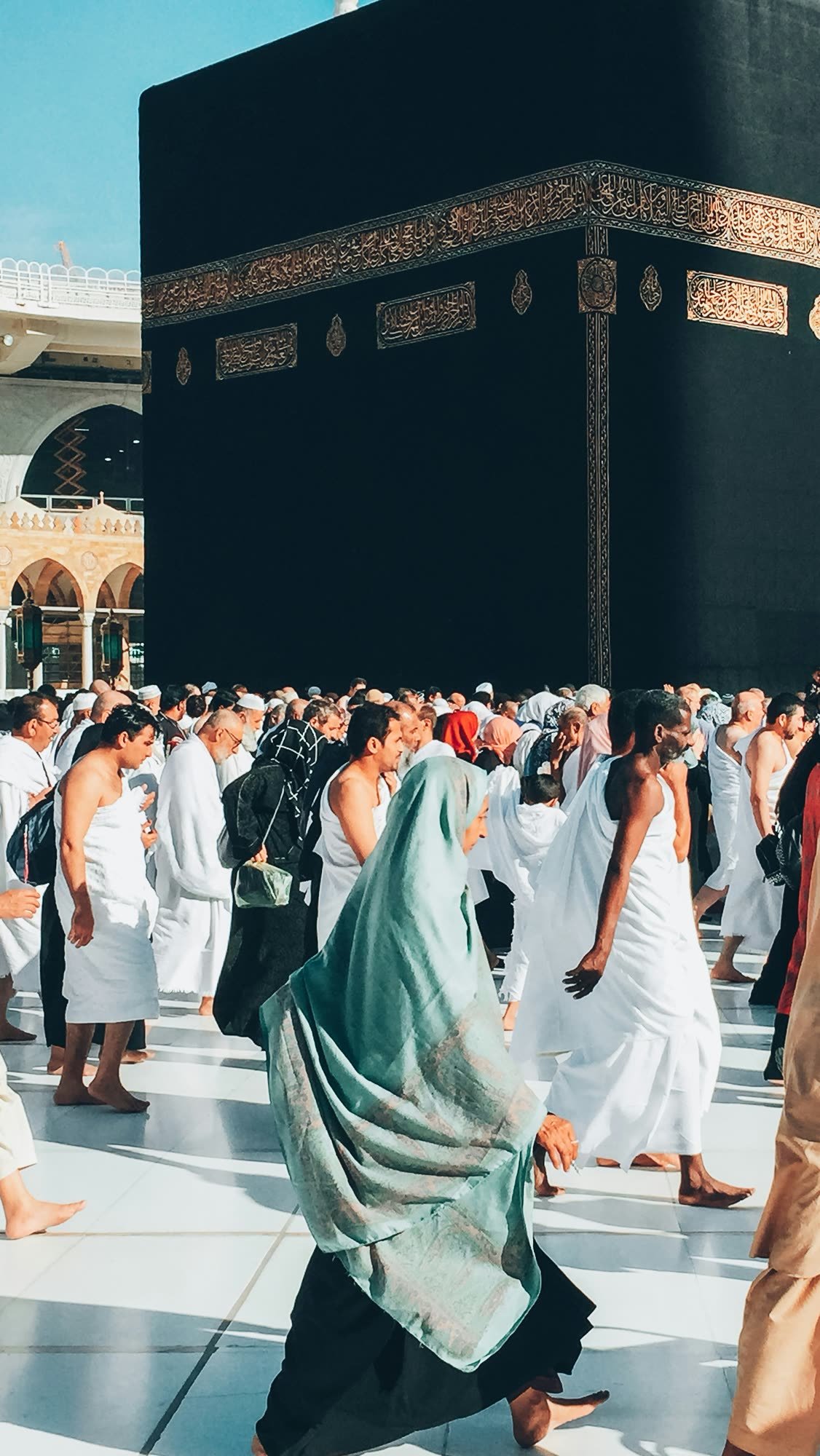
At Masjid al-Haram, walk around the Kaaba seven times anticlockwise, starting and ending at the line level with the Black Stone. Men uncover the right shoulder for Tawaf. Afterwards, pray two rak'ahs behind Maqam Ibrahim if you can, or anywhere in the mosque, and drink Zamzam water.
Walk seven times between the hills of Safa and Marwah, starting at Safa and ending at Marwah. Each one-way walk counts as one. Men jog lightly between the green lights. The walkways are air-conditioned and wheelchairs are available.
Men shave the head (halq) or cut the hair short all over (taqsir); women cut a fingertip's length from the end of their hair. Your Umrah is then complete and the restrictions of Ihram are lifted.
Tips from pilgrims.
Go for Tawaf late at night or after Fajr, when it is usually calmer. Keep your hotel card and a phone with you, agree a meeting point with your group, and drink plenty of water.
If you are travelling with elderly parents, ask us for a hotel close to the Haram and book wheelchair help for Tawaf and Sa'i in advance.
Questions people ask.
Once you have made the intention, avoid cutting hair or nails, using perfume or scented soap, marital relations, and hunting. Men should not wear stitched, fitted clothing or cover their heads; women should not wear a niqab or gloves. If something happens by mistake, ask a scholar whether anything is owed.
Most scholars say Tawaf needs wudu, so leave, renew your wudu and come back. Many scholars say you can carry on from the round you had reached. Sa'i does not need wudu, though it is better to have it.
Go with the lower number you are sure of and carry on from there. For example, if you are unsure whether you have done four or five rounds of Tawaf, count it as four.
She can still enter Ihram and stay in it, but should not do Tawaf until her period ends and she has made ghusl. If your dates are tight, tell us when you book so we can plan more nights in Makkah.
Many scholars allow Umrah on behalf of someone who has died or cannot travel, as long as you have already performed your own Umrah. Make the intention for them when you enter Ihram. Ask a scholar you trust about your situation.
Yes. A child's Umrah is valid and rewarded, but it does not replace the Umrah they may make as an adult. Parents can make the intention for very young children and carry them through Tawaf and Sa'i.
Yes. Prayer in the Rawdah at Masjid an-Nabawi is by timed booking through the official Nusuk app, and slots go quickly. Book as soon as you know your Madinah dates; the rules can change, so check the app before you travel.
Before you pass the Miqat, which flights from the UK cross in the air. Most pilgrims change at home or at the airport and make the intention on the plane. If you land in Madinah first, you put on Ihram before you leave for Makkah and make the intention at the Miqat just outside the city (Dhul Hulayfah).
Ready to plan your Umrah?
Tell us when you can travel and we'll find the right package. We usually reply the same day.